


Who Will Marry The Ex- NDA Girls: Comments & Clarifications On Responses To Article & Questionaire From Author Col Narinder Singh Dahiya,( Retd ).
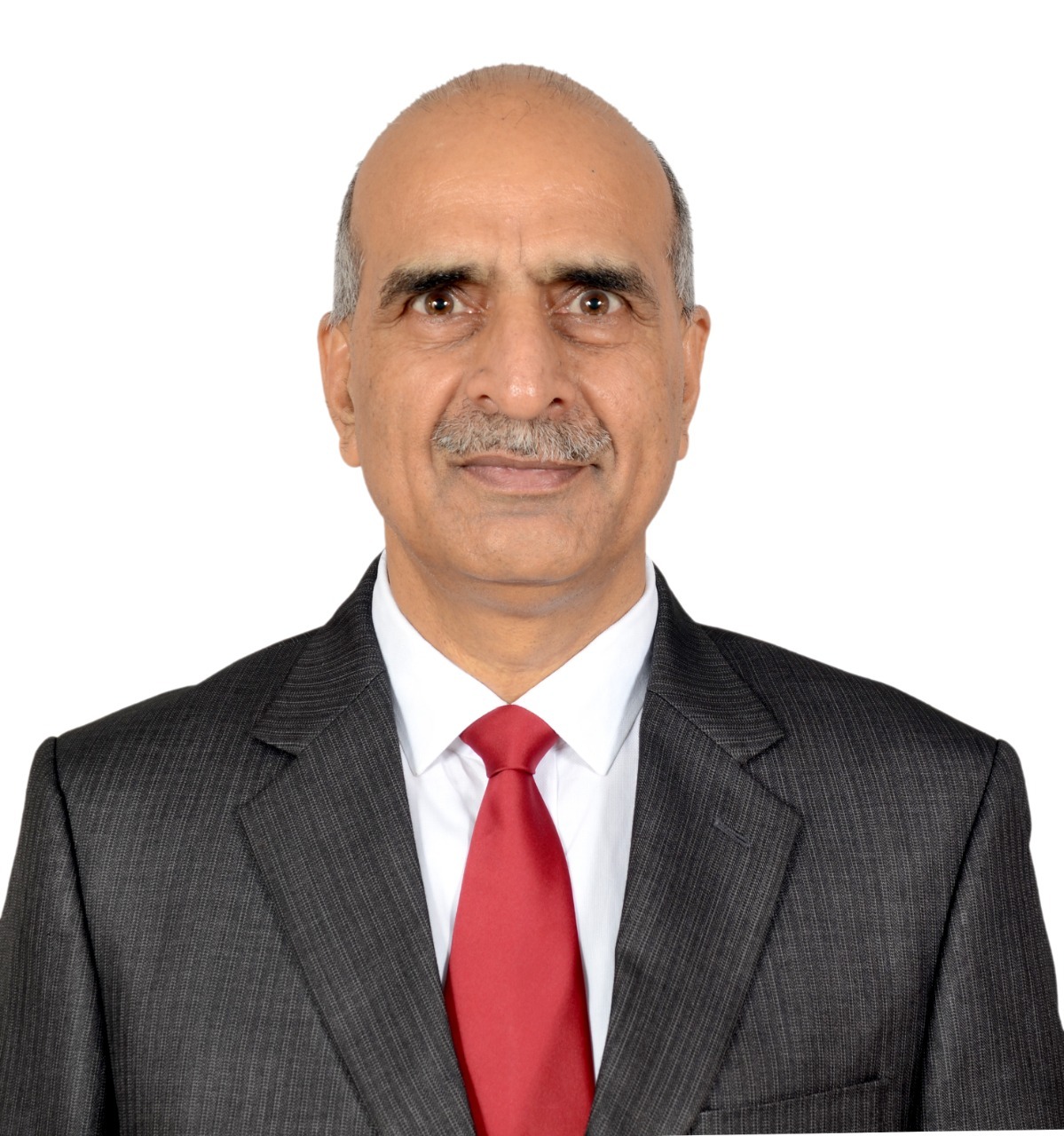
Date :- 21st October 2026
EDITOR'S NOTE :
The article with above title was published by MVI on 17th Oct 2026 with an unprecedented readership of over 10,000 and 40 responses .Unfortunately, this article had to be removed after 2 days, i.e. - 19th Oct 2026, as it apparently touched the sensitive/ raw nerves of some readers who became agitated and made personal attacks on the author on various Fauji groups on social media and MVI website readers comments .
Notwithstanding, there were several balanced and constructive responses that complemented the article .Infact there was a 11 pages REJOINDER painstakingly penned down by Maj Gen S Radhakrishnan (of 1983 batch NDA) , who instead of just targeting the author deeply analyzed the article and wrote a well thought out Rejoinder ! The PDF of this 11 pages Rejoinder is attached for interested readers and analysts .
PDF :
On personal request of the author MVI is publishing this piece with Comments and Clarifications of the author to the Responses to his article and also an interesting Questionnaire framed by him for his personal research.
I earnestly request readers to kindly peruse these Comments and Clarifications with an open mind .
I personally request all serving and retired lady officers to kindly spare just 10 minutes without disclosing your identity and answer the Questionnaire on link below to enable the author to fulfill his onerous responsibility of a study on the career , family and well being of lady officers.
With regards & best wishes,
Col Vinay B Dalvi,
Editor, MVI
QUESTAINNAIRE LINK :
WHO WILL MARRY THE EX-NDA GIRLS?
Comments and Clarifications in Response to Readers’ Reactions
By Col Narinder Singh Dahiya (Retd)
My earlier article appears to have stirred up a hornet’s nest. Much of the criticism seems to have focused on the headline rather than the central argument. The debate has largely centred on whether women should be trained at the National Defence Academy (NDA), overlooking a more important question: Have we adequately examined the second- and third-order consequences of inducting women into a demanding military career and granting them permanent commissions?

Let me clarify at the outset that my intention is not to oppose the induction of women into the Armed Forces. I am concerned about whether young women and their parents fully understand the demands of military life and whether the organisation has put adequate policies in place to address its long-term implications.
The headline was deliberately provocative to stimulate discussion. It was not intended to suggest that women officers are less marriageable or that marriage should determine their career choices.
Beyond First-Order Thinking
Military institutions are trained to focus on immediate objectives. Operational decisions often have to be taken quickly, and wars may be short. However, institutional policies affecting people's lives and careers require a longer-term perspective. We must look beyond immediate gains and examine the consequences that may emerge years later.
The induction of women into the NDA is a significant institutional development. Its success should not be judged merely by the number of women admitted or commissioned. We must also examine whether the organisation is prepared to support them throughout their careers.

The Supreme Court, in "Babita Puniya v. Union of India (2020)", criticised the absence of a coherent policy governing the careers of women officers and rejected stereotypical assumptions and blanket exclusions. In Lt Col Nitisha v. Union of India (2021), the Court examined structural discrimination and institutional practices that disadvantaged women officers.
As the Supreme Court observed in "Nitisha":
> “It is not enough to proudly state that women officers are allowed to serve the nation in the Armed Forces when the true picture of their service conditions tells a different story.”
These judgments reinforce an important principle: opening the doors to women is only the first step. The institution must also provide fair opportunities, appropriate service conditions and a workable career structure.
The Need to Examine Long-Term Consequences
Women have served in the Indian Armed Forces since their induction under the Women Special Entry Scheme in 1992. Considerable attention has been devoted to their entry, permanent commissions and promotions. However, publicly accessible Indian research into the long-term effects of military service on marriage, parenting, family life and personal well-being appears limited.
The lack of readily available evidence makes it difficult to draw firm conclusions about these consequences. It should encourage us to commission credible research rather than rely on assumptions or anecdotes.

My article has two objectives. First, to draw attention to the need for a systematic study of the second- and third-order consequences of this major policy decision. Second, to help young women and their parents make an informed choice before committing themselves to a demanding military career that may extend over 24 years or more.
Military service offers purpose, leadership, camaraderie, professional fulfilment and the honour of serving the nation. It also involves rigorous training, frequent transfers, field postings, operational commitments, demanding schedules and possible prolonged separation from family. Both sides of the commitment deserve consideration.
The following issues merit serious examination.
1. Marriage and Relationships
Frequent transfers, long postings, demanding schedules and operational commitments can strain personal relationships. Finding a partner who understands and accepts the demands of military life may be challenging. Social prejudices against professionally assertive or independent women may create additional difficulties in some families and communities.
These are potential challenges, not inevitable outcomes. Many women officers may build successful marriages and fulfilling family lives. The purpose of raising these concerns is not to predict failure, but to understand the difficulties that may arise and identify ways to address them.
2. Family and Parenting
Military commitments can affect the time parents spend with their children during their formative years. Deployments and frequent relocations may disrupt children's education, friendships and routines. Prolonged parental absence can also create emotional challenges.
These difficulties affect male officers as well. Dual-service couples may face additional complications when both partners have demanding appointments or are posted at different locations.

The organisation must therefore consider how posting policies, childcare facilities and family support systems can reduce avoidable hardship without compromising operational effectiveness.
3. Professional Responsibilities and Social Expectations
Military officers are expected to put the demands of the service first. Command responsibilities, exercises, courses and operational deployments can leave little room for personal flexibility. At the same time, traditional expectations may place a disproportionate share of household and childcare responsibilities on women.
Balancing these demands can affect personal well-being and professional satisfaction. Women officers must be judged by their competence and performance, without being subjected to stereotypes. Equally, policies should recognise the practical realities of family responsibilities.
There may also be a sense of isolation from civilian friends and extended family members who do not understand the demands of military life. These issues deserve attention as part of a broader examination of military families and the support they require.
4. Sexual Harassment and a Safe Working Environment
Sexual harassment is a serious concern in any workplace, and the Armed Forces must ensure that every woman officer can serve in an environment of dignity, safety and professional respect. The hierarchical nature of military organisations makes it particularly important that officers can report inappropriate conduct without fear of retaliation, damage to their careers or adverse treatment by superiors.
The Armed Forces should ensure effective implementation of applicable laws and service regulations, including the Sexual Harassment of Women at Workplace (Prevention, Prohibition and Redressal) Act, 2013, wherever applicable. Internal Complaints Committees (ICCs), commonly referred to as POSH committees, should be established wherever legally required, with clearly publicised reporting procedures and appropriate safeguards for confidentiality.
These committees must be accessible, impartial and adequately trained. Complaints should be handled promptly and fairly, with protection against victimisation and due process for all parties. Commanders and colleagues should receive regular training on professional conduct, prevention of harassment and their responsibilities when a complaint is raised.
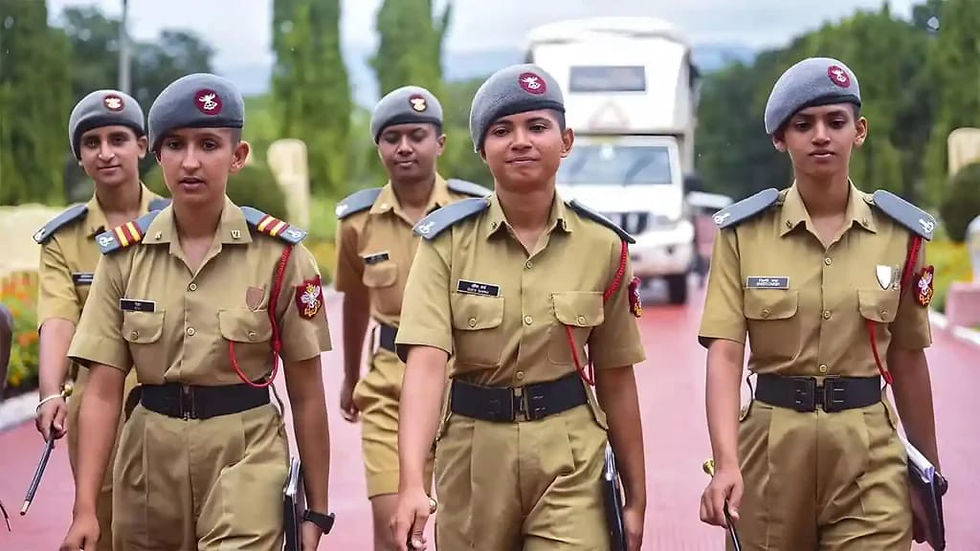
A formal committee alone is not enough. The organisation must build a culture in which misconduct is not tolerated, complaints are taken seriously and no officer is disadvantaged for speaking up. The effectiveness of these arrangements should be reviewed periodically.
A safe working environment is not a concession to women. It is an essential requirement of a professional military institution.
5. Health and Well-Being
Military training and service impose physical and psychological demands. Injuries, occupational stress, fatigue and burnout require appropriate attention. Women officers may also have specific reproductive and healthcare needs that must be addressed through suitable medical services.
Preventive healthcare, timely treatment, rehabilitation and mental health support are important for all personnel. Research should examine the long-term health effects of military service and identify whether existing medical and support systems adequately meet the needs of women officers.
What Should the Armed Forces Do?
If the induction of women into the NDA is to succeed over the long term, the Armed Forces must prepare for the realities of their service. Equality of opportunity must be accompanied by institutional preparedness.
The following measures merit consideration:
1. Childcare facilities: Establish crèches and suitable childcare arrangements at training institutions, headquarters and other establishments wherever feasible.
2. Flexible posting policies: Facilitate the co-location of serving spouses wherever operational requirements permit, and review posting practices that unnecessarily aggravate family difficulties.
3. Fair distribution of duties: Ensure that additional responsibilities arising from deployments, absences or posting arrangements are distributed fairly among personnel. Operational requirements must remain paramount, but fairness and transparency are essential.

4. Gender sensitivity and professional respect: Train commanders and colleagues to recognise and challenge stereotypes, prevent discrimination and maintain professional standards.
5. Effective POSH mechanisms: Ensure that Internal Complaints Committees are constituted wherever required, complaints can be reported safely, and investigations are handled promptly, impartially and confidentially.
6. Comprehensive healthcare: Provide appropriate preventive healthcare, reproductive health services, injury management, rehabilitation and mental health support.
7. Family-friendly policies: Review maternity and paternity leave and other provisions that help military families manage professional and parental responsibilities.
8. Independent research: Commission credible studies examining the long-term effects of military careers on family life, health, retention, career progression and professional satisfaction. The research should include women officers, male officers, dual-service couples and military families across different service conditions.
These measures would benefit the Armed Forces as a whole. They should be viewed as elements of sound personnel management rather than special privileges for any particular group.

The Larger Question
The induction of women into the NDA represents a significant institutional development. We should neither presume that women will face insurmountable difficulties nor assume that potential difficulties can simply be ignored.
The question in my headline—Who Will Marry the Ex-NDA Girls?—was intended to provoke thought about consequences that may not be immediately visible when a policy is introduced. It was not meant to reduce a woman's worth to her marriage prospects. Whether to marry, remain single or pursue a military career is a matter of individual choice.
However, when the State invites young people to commit the prime years of their lives to military service, it has a responsibility to ensure that they understand the commitment and that the institution has considered its foreseeable consequences.
Before dismissing uncomfortable questions, let us examine them. Before declaring a policy successful, let us evaluate its long-term outcomes. And before assuming that existing arrangements are adequate, let us ask whether they reflect the realities of contemporary military life.

My objective is not to reverse progress, but to make it sustainable. I welcome informed criticism, credible evidence and reasoned debate. The Armed Forces must remain willing to question established practices, learn from experience and plan beyond immediate requirements.
A professional institution demonstrates its strength not by avoiding difficult questions, but by confronting them honestly, examining the evidence and preparing for the future.
Col Narinder Singh Dahiya (Retd)
NOTE - The contents of this article contains the author's personal views based on his study , research and experience of the subject and linked issues .The pictures are meant for symbolic representation only .


Comments