


"SCIENTIFIC SELECTION SYSTEM ,MODERN TRAINING METHODOLOGY & HUMANE & COMPASSIONATE APPROACH" - IS THE WAY FORWARD FOR MILITARY ACADEMIES (NDA,IMA & OTA) - Dr Pashupathi Nath
- MVI Desk
- 3 days ago
- 4 min read
"One more young life lost. One more Court of Inquiry. One more tragic headline."
For the nation, this may become another news story that fades with time. For the academy, another inquiry will be conducted, reports submitted, and life will move on. But for the parents who entrusted their only son to the nation's premier military academy, life will never be the same again. Their loss is permanent and immeasurable.

The untimely death of Cadet Abhinav Bajpai is not merely an isolated tragedy. It should serve as a wake-up call to introspect whether our military selection and training systems are keeping pace with modern knowledge in sports science, medicine, and human performance.
For over fifteen years, distinguished veterans like Col Vinay Dalvi and several experienced officers have consistently highlighted the need to review and modernize our selection and training methodologies through several books, research papers and debates. Unfortunately, many of these recommendations appear to have received limited institutional attention.
The issue deserves serious deliberation rather than emotional reactions after every unfortunate incident.
What needs urgent attention?
1. SCIENTIFIC SELECTION OF CANDIDATES
The Services Selection Boards (SSBs) excel at assessing Officer Like Qualities (OLQs), leadership potential, intellect, and personality. However, equal emphasis must now be placed on evaluating a candidate's physical resilience and medical robustness for the extraordinary demands of military training.
Although the existing medical examination is comprehensive by conventional standards, recurring medical emergencies and occasional fatalities soon after joining training academies raise legitimate questions about whether current screening protocols are sufficient.
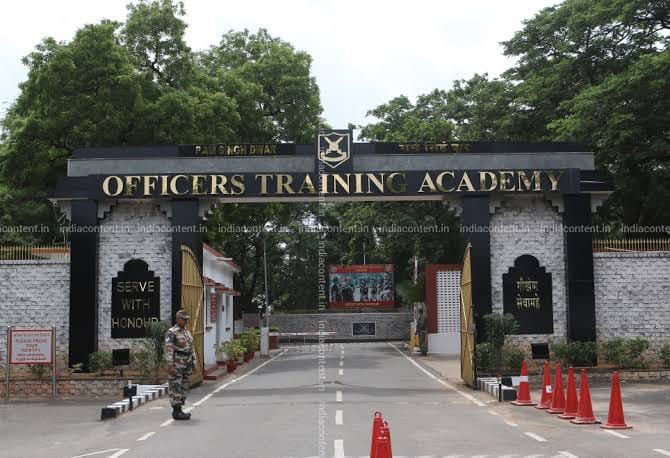
Similarly, cases where cadets are diagnosed with serious congenital or genetic disorders only after spending several terms in training suggest that existing medical screening may require further strengthening with advances in medical diagnostics.
Selection should not merely identify those who possess the qualities of an officer; it should also identify those who can safely withstand the intense physical rigours of military training.
MODERNIZING TRAINING METHODOLOGIES
Military training must remain tough. There can be no compromise on discipline, endurance, or combat readiness.
However, toughness should never be confused with resistance to change.
Many aspects of training continue to follow practices rooted in colonial-era traditions. While these traditions have produced generations of outstanding officers, today's cadets are physiologically, psychologically, and medically different from those of previous generations. Modern armies across the world increasingly integrate sports science, exercise physiology, recovery protocols, injury prevention, workload monitoring, and evidence-based physical conditioning into military training.
There is also a need to objectively review certain long-standing customs, squadron hierarchies, and training practices to ensure that they continue to serve their intended purpose without compromising the well-being of cadets.
The objective should never be to dilute standards but to make training smarter, safer, and more effective.

3. A MORE HUMANE AND COMPASSIONATE INSTITUTIONAL APPROACH
Every parent who sends a son or daughter to the National Defence Academy, Indian Military Academy, or Officers Training Academy does so with complete faith and trust in the institution. They entrust not merely a candidate, but the most precious part of their lives, believing that the academy will mould them into military leaders while safeguarding their dignity and well-being.
Military training is, by its very nature, rigorous and demanding. No one expects these academies to compromise on discipline or standards. However, there is a fundamental difference between being tough in training and being indifferent in human relationships. Compassion and professionalism are not mutually exclusive; in fact, they reinforce each other.
When a cadet loses his or her life during training, or is medically boarded out after months or years of dedicated effort, the family experiences profound grief, disappointment, and uncertainty. At such a time, the institution has a moral responsibility to stand by those families with empathy and respect. Unfortunately, there appears to be no structured mechanism through which bereaved or distressed parents can communicate with the academy, seek clarification, or even receive timely and courteous responses.
No inquiry or compensation can ever replace the loss of a child. Yet simple acts of institutional compassion—a designated family liaison officer, transparent communication, prompt responses to queries, and respectful engagement with parents—can provide immense emotional support during their darkest moments. Such measures would neither weaken military discipline nor dilute training standards. Instead, they would reflect the highest traditions of leadership, honour, and responsibility that our armed forces seek to instil in every future officer.
THE WAY FORWARD
Every cadet who joins the National Defence Academy, Indian Military Academy, or Officers Training Academy does so with a dream of serving the nation. Equally, every parent entrusts these institutions with their most precious possession—their son or daughter—believing that they will be trained with professionalism, integrity, and care.

The loss of even a single cadet should compel us to ask difficult questions—not to assign blame prematurely, but to ensure that similar tragedies become increasingly rare. Every unfortunate incident must become an opportunity to learn, improve, and strengthen the system rather than merely complete an inquiry and move on.
It is time for the military leadership to undertake a comprehensive review of three critical pillars of the training ecosystem: scientific selection of candidates, evidence-based and modern training methodologies, and a more humane institutional approach towards cadets and their families. Military excellence and compassion are not contradictory values; they are complementary attributes of a truly professional armed force.

Alongside modernising selection and training, the academies should establish structured mechanisms for transparent communication and family outreach, particularly in cases of serious injuries, medical board-outs, or fatalities. A dedicated family liaison system, timely dissemination of information, and compassionate engagement with parents would not compromise military discipline; rather, they would reinforce the ethos of honour, responsibility, and leadership that these institutions seek to instil in every future officer.
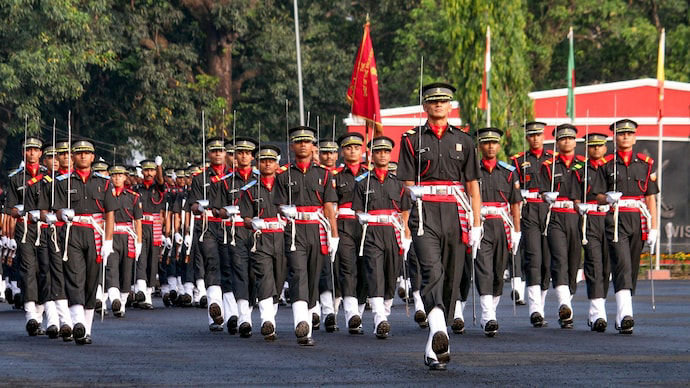
A scientific, evidence-based approach that combines uncompromising military standards with advances in sports science, medicine, exercise physiology, and human performance research can preserve operational excellence while significantly reducing preventable deaths and serious injuries. Equally important is fostering an institutional culture that values empathy alongside discipline, recognising that behind every cadet stands a family whose faith in the institution deserves to be respected.
The finest tribute to cadets who lose their lives during training is not merely to mourn them, but to ensure that lessons are learned, systems evolve, and future generations of officers are selected, trained, and cared for in an environment that is as safe as it is demanding.
Only then can we truly honour the trust that every family places in our armed forces—not only by producing exceptional military leaders but also by demonstrating the compassion, dignity, and accountability that define a great institution.


The mischief seems to be in the period between when the cadet signs up to join the academy and the time the system commissions him as an officer.
The candidate's legal position before he signs up, and after he is commissioned are clear. In the greyzone in between the system seems to be running on the basis of indemnity which releases the 'authorities' from any 'responsibility' or 'accountability'...
It's as if there is nothing to stop someone who is a junior in this phase from being told, "you dog, you want to be an officer is it? Get on to your fours and grovel before me."
It is up to the kindness and positive character of most stake holders in…
COL NS DAHIYA :
Insure to Ensure—let our commitment to future soldiers be reflected not only in words, but also in meaningful financial protection.
The loss of a first-term NDA cadet during training is a national tragedy. While nothing can compensate for the loss of a young life, the nation has a duty to stand firmly with the bereaved family.
Every NDA cadet should be covered by a minimum life insurance of ₹5 crore from the day they join the Academy. These young men and women voluntarily undergo demanding military training in the service of the nation. Their families should never face financial uncertainty if the unthinkable happens.