


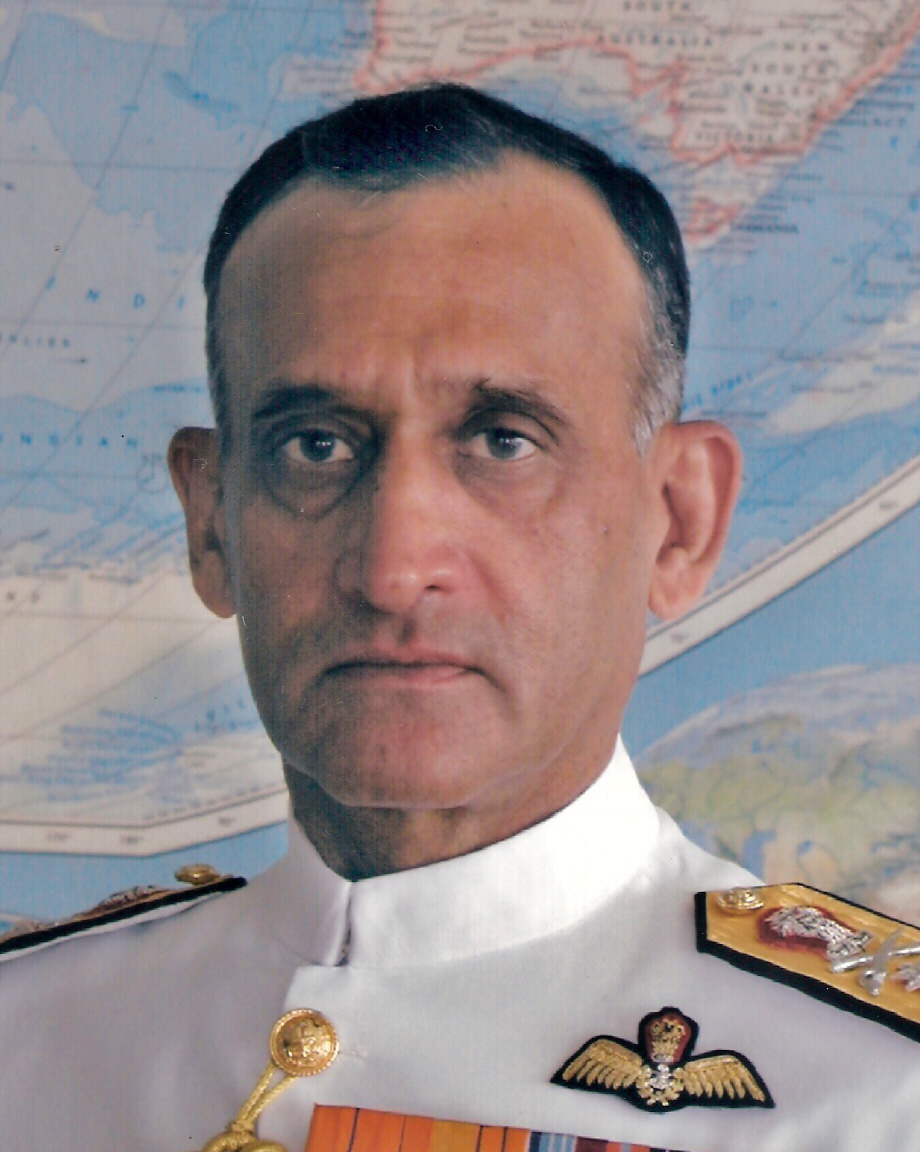
Military Academies Must Raise The Bar By Admiral Arun Prakash (Retd)
Date:- 05 October 2026
The Indian armed forces, apart from contributing to defence and security of the nation, also provide a distinctive strand in the multi-ethnic and multi-religious fabric of our nation. In the chaos that often prevails, not only they are an embodiment of order and discipline and upholders of our democratic, secular traditions, they also set high standards of integrity, professionalism and excellence for their countrymen.

For these reasons, our military leaders were held in high regard by civil society, as exemplars of honourable and ethical conduct. But today, we find that the armed forces are slipping in the estimation of their countrymen, not only because of occasional misdemeanours, but also due to signs of politicization and public displays of religiosity amongst the higher ranks.
India's social and economic transformation has been accompanied by a steep decline in standards of private and public conduct. Hand-in-hand with corruption, goes the politicization of every system; including the police, bureaucracy, the legal system and media. Communalism and parochialism are on open display at election time since votes are sought on the basis of region, caste and religion.
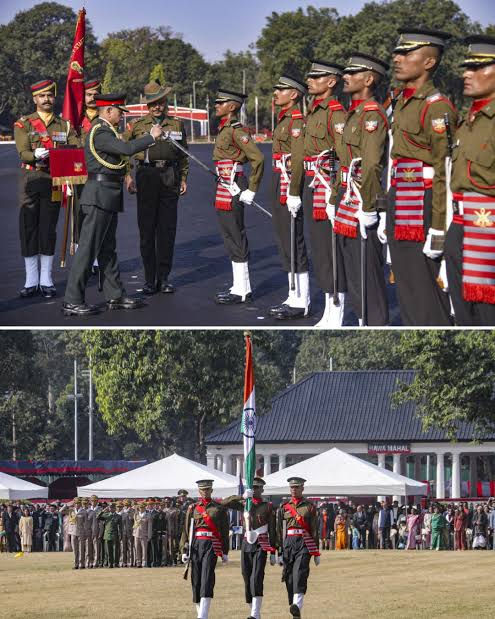
The slide in the military's ethical standards is often justified on the grounds that, since soldiers are drawn from society, their conduct is bound to reflect prevailing societal norms. This facile logic must be firmly rejected. Not only does every soldier swear an oath of allegiance to the Constitution of India, but the armed forces have traditionally set their own standards and codes of conduct, and are governed by stringent disciplinary regulations. It was their adherence to this self-imposed code - not their place in the Warrant of Precedence - that earned them a high standing in society.
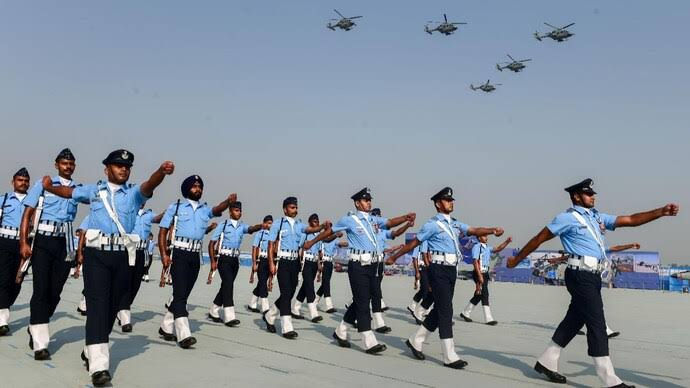
More than just a shield against external threats, India’s armed forces serve as a fundamental anchor of the country’s social stability, and national well-being. In order to maintain the public’s trust as well as own internal cohesion, our military leadership requires rigorous grounding in key foundational pillars, such as upright and ethical conduct, secular principles and apolitical neutrality. There is an old saying: “mighty oaks from little acorns grow.” To produce military leaders with a strong moral fiber, fit to occupy leadership positions, the armed forces must groom candidates along the right path from the earliest possible stage.

Apart from the tri-service National Defence Academy (NDA), five key institutions impart ab-initio training - ranging from 12 months to four years - before commissioning young men and women as officers. It is the rigorous physical, academic training and mental indoctrination, imparted in these, so called, “cradles of leadership” that moulds the character of these youth forever.
Having passed out of NDA’s portals in 1964, I returned, 33 years later, as its Commandant, to find that the institution had seen vast improvement; in infrastructure and facilities, in the enhanced syllabi, and above all, in the motivation levels of the young trainees. But what came as a nasty surprise was the advent of a new ethos, which required a cadet to possess a basic “skill-set” for survival.

This included cheating, manhandling juniors, minor-theft, and even impersonation – all against academy’s rules, and unheard of, when I was a cadet in the 1960s. Even more dismaying was the benign and tolerant attitude of the training staff towards such misdemeanours. Many of the young staff officers believed that not only was such conduct an “academy tradition,” but that unless a “smart” cadet was resourceful enough to “beg, borrow or steal” a few small things, and tough enough to give and take a little manhandling, he would be useless as an officer!
If we were to examine past or recent trespasses by senior officers which have earned the armed forces a bad name; the fundamental cause of misdemeanours is the inability of an individual to distinguish between the “easier wrong” and the “harder right”. It becomes obvious that the instincts which motivate a young Cadet to commit minor offences in the academy, mutate into serious character-flaws in later years, and erode the integrity of senior officers, leading them to commit ethical lapses.
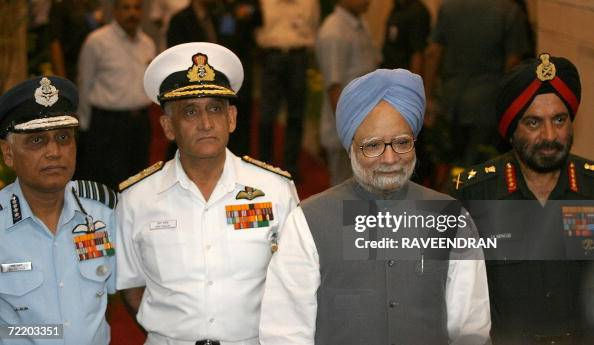
A number of disturbing trends have been emerging from our service academies but do not seem to evoke the necessary alarm or remedial responses, from the military hierarchy. There have been periodic fatalities, amongst cadets, as well as a growing number of withdrawals at early stages of training in academies. These indicate that the selection processes employed by the Union Public Services Commission, and the Services Selection Boards, including the medical criteria, may have become outdated and need drastic revision. This is also a reflection, not only on the physical training methodology and syllabus being followed, but also on the unwarranted liberty granted to senior cadets to conduct “training” (ragging?) of juniors.
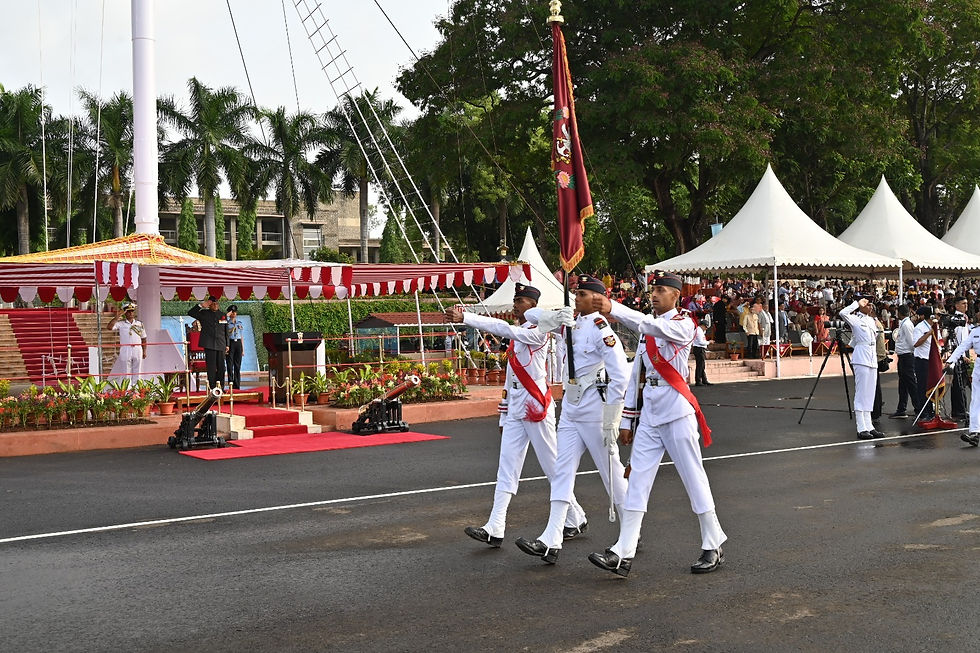
Selection of training staff – both military and civilian – needs to be far more stringent and discriminating, so that only persons who can provide mature and sensible guidance shape the trainees’ outlook. In this context, the academy’s Commandant exerts an outsize influence on the cadet body – by his personality as well as personal example. Unfortunately, this post is often treated as a convenient short-term parking slot by service HQs, and some “hand-picked” incumbents have even been removed from command for serious misconduct. Finally, many Commandants have taken liberties with the training curriculum and even the customs and traditions of these institutions, by making arbitrary changes. Topics such as these need to be codified in the form of a “Blue Book”, approved by service HQs, for implementation, in letter and spirit, by the Commandant and staff.

The quality of the nation’s military leadership is an issue important enough for the Chiefs of Staff Committee to take urgent note of. It is time for them to convene a high-level military commission to undertake a review of the processes for selection and induction of officer candidates into the services and to evaluate the current training syllabi and methodology being followed in our service academies and to recommend reform, where required.
Note: This article was first published by The Tribune on 2 Oct 2026 and being published by MVI with author's permission . All images for symbolic representation only . --Editor ,MVI


Comments